The Mobile App Marketing Landscape in 2026
Learning how to market an app effectively starts with understanding today's competitive environment. The app economy has matured significantly, with global consumer spending reaching $171 billion in 2023 according to Statista. This growth creates massive opportunities but also intense competition for user attention. For execution support, consider user acquisition strategy.
The most successful apps don't rely on a single marketing tactic. They build comprehensive strategies that work across multiple touchpoints. Duolingo exemplifies this approach, combining viral social media content, influencer partnerships, gamified referral programs, and sophisticated ASO to maintain their position as the top education app.
Current Market Dynamics
Three major shifts are reshaping how to market an app successfully:
- Privacy-First Attribution: iOS 14.5 and subsequent updates fundamentally changed mobile advertising. Apps must now focus more heavily on first-party data collection and retention marketing rather than relying solely on acquisition campaigns.
- AI-Powered Personalization: Machine learning enables hyper-targeted campaigns and dynamic creative optimization. Apps using AI for user segmentation and content personalization see 25-40% higher engagement rates.
- Cross-Platform Integration: Users expect seamless experiences across mobile, web, and other touchpoints. Marketing strategies must account for this multi-device journey.
Building Your App Launch Strategy Foundation
A solid app launch strategy begins months before your app goes live. The most successful launches we've seen at Strataigize follow a structured timeline that builds momentum systematically.
Pre-Launch Phase (60-90 Days Out)
Start with comprehensive market research. Analyze your top 10 competitors using tools like Sensor Tower or data.ai to understand their keyword strategies, pricing models, and user acquisition channels. This intelligence shapes every subsequent marketing decision.
Create your app store listing early, even in draft form. This allows you to begin ASO testing and gather initial keyword data. Focus on these core elements:
- App title optimization with primary keywords
- Compelling screenshots that demonstrate core value propositions
- Video previews showing actual app functionality
- Localized descriptions for target markets
Beta Testing and Feedback Integration
Launch a closed beta 30-45 days before your public release. Use TestFlight for iOS and Google Play Console's internal testing for Android. Recruit beta testers through existing networks, social media, and beta testing platforms like BetaList.
The goal isn't just bug identification. Collect specific feedback on messaging, feature priorities, and user experience flow. This data directly improves your marketing messaging and positioning strategy.
Content Marketing Preparation
Develop a content calendar spanning launch week and the following 60 days. Include blog posts, social media content, email sequences, and any video content. The most effective app marketing campaigns create anticipation through valuable, educational content rather than pure promotion.
For B2B apps, consider guest posting on industry publications. Consumer apps should focus on social platforms where their target audience is most active. Meditation apps like Calm successfully use Instagram and TikTok, while productivity apps often find success on LinkedIn and Twitter.
App Store Optimization: Your Organic Growth Engine
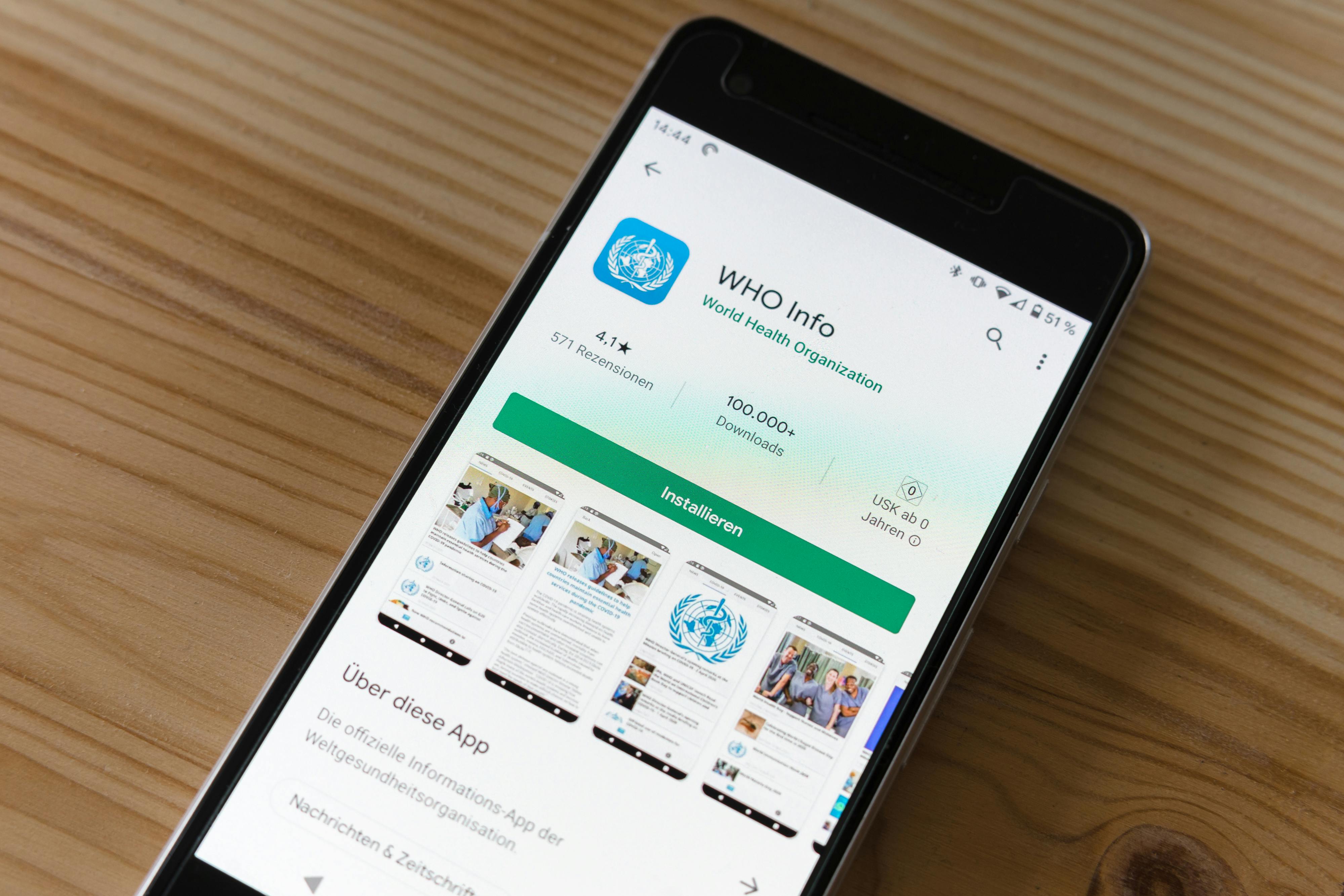
ASO forms the foundation of sustainable app marketing. According to Apple, 65% of downloads come from App Store search, making keyword optimization crucial for long-term success.
Keyword Research and Selection
Begin with broad keyword research using tools like App Radar, Mobile Action, or Sensor Tower. Look beyond obvious terms to identify long-tail keywords with commercial intent. A meditation app might target "sleep anxiety relief" rather than just "meditation."
Analyze keyword difficulty versus search volume. High-volume keywords like "fitness" or "productivity" have intense competition. Focus on medium-volume, lower-difficulty terms where you can realistically rank in the top 10.
Optimizing Core ASO Elements
- App Title Strategy: Include your primary keyword naturally within the 30-character limit. Apps with keywords in their titles rank 10.3% higher on average than those without. For a deeper breakdown, see AI visibility for apps guide.
- Subtitle/Short Description: Use this 30-character iOS field for secondary keywords and value proposition. Android's short description allows 80 characters for additional keyword opportunities.
- Long Description Optimization: While iOS doesn't use the long description for search ranking, it influences conversion rates. Android does consider description text for rankings, so include relevant keywords naturally throughout.
Visual Asset Optimization
Screenshots and app preview videos directly impact conversion rates. Test different screenshot sequences to maximize store-to-install conversion. Leading with benefit-focused screenshots typically outperforms feature-focused ones.
Create localized screenshots for major markets. Netflix, Spotify, and other global apps customize their store listings for different regions, often seeing 20-30% higher conversion rates in localized markets.
Paid User Acquisition Strategies
Organic growth through ASO takes time. Paid acquisition provides immediate traffic and valuable data for optimizing your marketing funnel. The key is starting with focused campaigns rather than spreading budget across every available channel.
Apple Search Ads: The Highest-Converting Channel
Apple Search Ads consistently delivers the highest-quality users across paid channels. Average conversion rates range from 15-30%, significantly higher than social media advertising.
Start with Search Ads Basic if you're new to paid acquisition. The automated system handles bid management while you focus on keyword selection and creative optimization. Graduate to Advanced campaigns once you have sufficient data for manual bid management.
Campaign Structure Best Practices:
- Create separate campaigns for branded and competitor keywords
- Use tight keyword groups (5-10 related terms per ad group)
- Implement negative keyword lists to reduce wasted spend
- Test different Creative Sets to find top-performing combinations
Google Ads for Android
Google Ads App campaigns use machine learning to optimize across Search, YouTube, Display, and Google Play. Provide multiple creative assets and let Google's algorithm find winning combinations.
Universal App Campaigns work best with clear conversion tracking. Set up Firebase or another attribution platform before launching campaigns. This data feeds Google's optimization algorithms and improves performance over time.
Social Media Advertising
Meta (Facebook and Instagram) and TikTok offer sophisticated targeting options for app marketing. These platforms excel for discovery-based marketing where users aren't actively searching for solutions.
- Test video vs. static creative formats
- Compare user-generated content to polished brand content
- Experiment with different ad formats (Stories, Reels, feed posts)
- A/B test call-to-action buttons and headline copy
Gaming apps often find success on TikTok due to the platform's younger demographic and video-first format. Productivity and business apps typically perform better on Facebook and Instagram where targeting capabilities are more granular.
Content Marketing and Organic Reach
Content marketing builds brand authority while supporting your paid acquisition efforts. The most effective app marketing combines educational content with strategic promotion to create sustained organic reach.
Blog Content Strategy
Develop topic clusters around your app's core value propositions. A personal finance app might create content around budgeting, investing, and debt management. Each cluster should include:
- Pillar pages targeting broad, high-volume keywords
- Supporting articles covering specific subtopics and long-tail keywords
- Resource pages linking to tools, calculators, or templates
Mint's blog exemplifies this approach, covering personal finance topics comprehensively while naturally promoting their app's features. Their content ranks for thousands of finance-related keywords, driving consistent organic traffic. For a deeper breakdown, see app store optimization services guide.
Social Media Content Frameworks
Social media content for apps should balance education, entertainment, and promotion using the 80/20 rule. Provide valuable content 80% of the time, with 20% direct promotion.
- Behind-the-scenes development content
- User success stories and case studies
- Quick tips related to your app's category
- Industry news and trend commentary
- Live Q&A sessions with founders or experts
Headspace effectively uses Instagram to share daily mindfulness tips, meditation quotes, and user stories. This content strategy has built a community of over 2 million followers who regularly engage with their posts.
Email Marketing for App Growth
Email remains one of the highest-ROI marketing channels for apps. Build your email list through lead magnets, content upgrades, and app onboarding sequences.
Segment your email list based on user behavior and app usage patterns. Send different messages to:
- who haven't completed onboarding
- who haven't opened your app recently
Influencer Marketing and Partnerships
Influencer marketing for apps requires strategic partnership selection rather than broad influencer outreach. The goal is finding creators whose audiences align perfectly with your target users.
Micro-Influencer Strategy
Micro-influencers (1,000-100,000 followers) often deliver better ROI than macro-influencers for app marketing. Their audiences are more engaged and trust their recommendations more highly.
Identify micro-influencers using tools like AspireIQ, Upfluence, or manual research on Instagram and TikTok. Look for creators who:
- Regularly discuss topics related to your app's category
- Have engagement rates above 3-5%
- Align with your brand values and aesthetic
- Create authentic content rather than obvious advertisements
Partnership Campaign Structure
Successful influencer campaigns for apps focus on authentic product integration rather than traditional advertisement formats. Provide influencers with:
- Clear value proposition they can communicate naturally
- Unique promo codes for tracking conversions
- Creative freedom within brand guidelines
- Long-term partnership opportunities for top performers
Calm's partnership with YouTuber Michelle Schroeder-Gardner resulted in a series of authentic videos about incorporating meditation into busy schedules. This approach felt natural to her personal finance audience and drove significant app downloads.
Strategic Brand Partnerships
Consider partnerships with complementary brands or apps. A fitness app might partner with nutrition apps, workout equipment brands, or activewear companies. These collaborations can include:
- Cross-promotional campaigns
- Bundle deals or package offerings
- Content collaboration and co-creation
- Event partnerships or webinar series

User Retention and Lifecycle Marketing
Acquiring users is only the first step in successful app marketing. Retention marketing determines long-term success and profitability. According to Leanplum, the average app loses 77% of its daily active users within 3 days of installation.
Onboarding Optimization
The first user experience determines whether new downloads become active users. Effective onboarding should:
- Demonstrate Value Quickly: Show core functionality within the first 30 seconds. Avoid lengthy tutorials or excessive permissions requests upfront.
- Personalize the Experience: Collect minimal user preferences to customize initial content. Spotify's music taste questionnaire creates personalized playlists immediately. For a deeper breakdown, see mobile app user acquisition guide.
- Set Clear Expectations: Explain what users can accomplish with your app and how to achieve those goals. Use progress indicators for multi-step onboarding flows.
Push Notification Strategy
Push notifications drive re-engagement but can also cause uninstalls if overused or poorly targeted. Develop a strategic notification framework:
- Welcome Series: Send 3-5 messages over the first week highlighting key features and encouraging specific actions.
- Behavioral Triggers: Set up automated messages based on user actions or inactivity. A fitness app might send workout reminders or congratulate users on streak achievements.
- Personalized Content: Use user data to send relevant notifications. News apps can send breaking news in preferred categories, while shopping apps can notify about price drops on wishlisted items.
Email and In-App Messaging
Combine push notifications with email and in-app messaging for comprehensive lifecycle marketing. Each channel serves different purposes:
- Push notifications for immediate attention and re-engagement
- Email for detailed content, newsletters, and win-back campaigns
- In-app messages for feature announcements and upgrade prompts
Analytics and Performance Tracking
Effective app marketing requires constant measurement and optimization. Set up comprehensive analytics tracking before launching any campaigns to ensure accurate performance measurement.
Essential Metrics to Track
- Cost per install (CPI) by channel
- Install-to-registration conversion rate
- Organic vs. paid install ratio
- Store listing conversion rate
- Daily and monthly active users (DAU/MAU)
- Session length and frequency
- Feature usage and adoption rates
- User progression through key actions
- Day 1, 7, and 30 retention rates
- Cohort analysis by acquisition channel
- Churn rate and reasons for uninstalling
- Average revenue per user (ARPU)
- Lifetime value (LTV) by user segment
- Time to first purchase or subscription
- Monthly recurring revenue growth
Attribution and Tracking Setup
Implement mobile attribution platforms like Adjust, AppsFlyer, or Branch to accurately track campaign performance across channels. These tools provide:
- Cross-platform tracking for users who discover your app on one device but install on another
- Deep link attribution connecting specific campaigns to in-app actions
- Fraud protection to ensure accurate reporting and budget allocation
- Cohort analysis for understanding long-term user value by acquisition source
A/B Testing Framework
Continuously test app store listings, ad creative, onboarding flows, and feature implementations. Set up systematic testing processes:
- For a deeper breakdown, see app store optimization agency guide.
- Hypothesis Formation : Base tests on data insights rather than assumptions
- Single Variable Testing : Change one element at a time for clear results
- Statistical Significance : Run tests long enough to gather meaningful data
- Implementation : Roll out winning variations to all users
Advanced Mobile App User Acquisition Tactics
As your app marketing matures, advanced tactics can drive incremental growth and improve efficiency across existing channels.
Programmatic Advertising
Programmatic app advertising uses real-time bidding to purchase ad inventory across multiple networks simultaneously. Platforms like Liftoff, ironSource, and Unity Ads specialize in programmatic app promotion.
The advantages include:
- Access to inventory across hundreds of apps and websites
- Automated bidding based on your target cost per action
- Dynamic creative testing across different formats
Cross-Promotion Networks
If you have multiple apps or partner with other developers, cross-promotion can be a cost-effective acquisition channel. Display ads for your new app within your existing apps or partner apps.
King (makers of Candy Crush) effectively cross-promotes their gaming portfolio, introducing players to new games when they complete levels or during natural break points in gameplay.
Affiliate Marketing Programs
App affiliate programs incentivize partners to promote your app in exchange for commission on installs or purchases. This works particularly well for apps with strong monetization models.
Create affiliate programs through networks like Impact, ShareASale, or Commission Junction. Provide affiliates with:
- Promotional assets (banners, videos, screenshots)
- Unique tracking links with competitive commission rates
- Performance data and optimization recommendations
- Regular communication about new features or campaigns

AI Visibility for Apps
Artificial intelligence is transforming how users discover and interact with apps. Understanding AI visibility for apps helps future-proof your marketing strategy as search and discovery evolve.
Voice Search Optimization
Voice assistants are increasingly used for app discovery and interaction. Optimize for voice search by:
- Natural Language Keywords: Include conversational phrases users might speak rather than type. "Hey Siri, find me a meditation app" instead of "meditation app download."
- Featured Snippets: Structure your app store description and website content to appear in voice search results. Use FAQ formats and clear, concise answers to common questions.
- App Actions Integration: Implement Google App Actions and Siri Shortcuts so users can access your app's core features through voice commands.
AI-Powered Creative Optimization
Machine learning tools can automatically test and optimize ad creative at scale. Platforms like Facebook's Dynamic Creative and Google's responsive ads use AI to find winning combinations of:
- Headlines and description copy
- Images and video assets
- Call-to-action buttons
- Audience targeting parameters
As Teegan Johnson, our Head of Growth, notes: "AI creative optimization has reduced our clients' cost per install by an average of 23% while improving creative testing velocity by 10x. The key is feeding these systems enough diverse creative assets to find unexpected winning combinations." For execution support, consider app store optimization services.
Predictive Analytics Applications
Use predictive analytics to identify users most likely to churn, upgrade to premium, or become brand advocates. This enables:
- Proactive Retention: Target at-risk users with special offers or personalized content before they churn.
- Upgrade Optimization: Present premium features to users most likely to convert at optimal timing.
- Advocacy Programs: Identify satisfied users for referral programs, app store reviews, or case study opportunities.
International App Marketing Considerations
Expanding to international markets requires localized marketing strategies that go beyond simple translation.
Market Research and Localization
Before entering new geographic markets, research:
- Local Competition: Identify dominant apps in your category for each target market. A productivity app popular in the US might face different competitors in Germany or Japan.
- Cultural Preferences: User interface preferences, color associations, and feature priorities vary by culture. Dating apps, for example, must adapt to different cultural norms around relationships and privacy.
- Payment Methods: Ensure your app supports preferred payment options in each market. Mobile payments dominate in China, while credit cards remain popular in the US.
Localized ASO Strategy
Translate and culturally adapt all app store elements:
- Keywords : Research local search terms rather than directly translating English keywords
- Screenshots : Use culturally appropriate imagery and local language UI
- Reviews and Ratings : Encourage reviews in local languages to improve social proof
- Netflix provides excellent localization examples, creating region-specific app store listings that highlight locally popular content and use culturally relevant imagery.
Regional Marketing Channels
Different regions prefer different marketing channels:
- WeChat, LINE, and KakaoTalk for messaging app integration
- Strong focus on privacy compliance and GDPR-compliant marketing
- WhatsApp Business and Instagram for community building
App Marketing Services and Agency Partnerships
Many app founders reach a point where professional marketing services become essential for scaling growth efficiently.
When to Consider Agency Support
Consider professional app marketing services when:
- Resource Constraints: Your team lacks specialized mobile marketing expertise or bandwidth to execute comprehensive campaigns.
- Scale Requirements: You need to expand across multiple acquisition channels simultaneously while maintaining efficiency.
- Technical Complexity: Advanced attribution, creative testing, or programmatic advertising requires specialized tools and expertise. For a deeper breakdown, see best ASO tools 2026 guide.
- Market Expansion: International growth requires local market knowledge and cultural adaptation.
As Ian McGavin, Strataigize's founder, explains: "We typically see app founders reach out when they've validated product-market fit through initial traction but need systematic growth strategies to reach their next milestone. The most successful partnerships happen when founders recognize that marketing expertise accelerates growth rather than just adding cost."
Evaluating Marketing Partners
When selecting app marketing services, evaluate potential partners on:
- Relevant Experience: Look for agencies with specific mobile app marketing experience in your category. B2B SaaS marketing differs significantly from mobile gaming or consumer app promotion.
- Transparent Reporting: Agencies should provide detailed performance data and attribution reporting, not just vanity metrics like impressions or clicks.
- Integrated Approach: The best results come from agencies that coordinate ASO, paid acquisition, creative development, and retention marketing rather than specializing in single channels.
- Cultural Fit: Marketing partnerships require close collaboration and strategic alignment. Choose partners who understand your vision and communicate clearly about challenges and opportunities.
Frequently Asked Questions
How much should I budget for app marketing?
App marketing budgets typically range from 20-40% of projected revenue for consumer apps and 15-25% for B2B apps. New apps should plan for higher initial investment, often $10,000-50,000+ for the first 90 days depending on market competition and growth goals. Focus budget allocation on 2-3 channels initially rather than spreading thin across every available option.
How long does it take to see results from app marketing?
Timeline varies significantly by channel. Apple Search Ads and Google App campaigns can drive installs within hours of launch, while ASO improvements typically take 2-4 weeks to show ranking changes. Content marketing and SEO require 3-6 months for meaningful organic traffic. Most comprehensive app marketing strategies show initial results within 30 days but require 6-12 months to optimize fully and achieve sustainable growth.
What's the difference between ASO and SEO for apps?
ASO (App Store Optimization) focuses specifically on improving app visibility within Apple's App Store and Google Play Store, using app-specific ranking factors like keywords in titles, download velocity, and user ratings. SEO for apps involves optimizing your app's website, blog content, and online presence for Google search results. Both are essential: ASO drives direct app store discovery while SEO builds brand awareness and supports overall marketing efforts.
Should I focus on iOS or Android first?
The choice depends on your target audience and monetization model. iOS users typically have higher spending power and engagement rates, making it preferable for premium apps or subscription models. Android has larger global market share and lower acquisition costs, better for apps targeting developing markets or ad-based monetization. Most successful apps launch on both platforms simultaneously or start with their primary audience's preferred platform then expand quickly.
How do I measure app marketing ROI accurately?
Accurate ROI measurement requires proper attribution tracking through platforms like Adjust, AppsFlyer, or Branch. Track beyond installs to meaningful actions: registrations, purchases, subscription starts, and long-term retention. Calculate lifetime value (LTV) by user cohorts and compare to acquisition costs by channel. Factor in organic uplift from paid campaigns and brand awareness effects that don't directly attribute to immediate conversions.
What are the biggest app marketing mistakes to avoid?
The most costly mistakes include: launching without proper ASO foundation, spreading marketing budget too thin across channels, focusing only on installs rather than quality users, neglecting retention marketing, poor onboarding that causes immediate churn, and not setting up attribution tracking before campaigns launch. Additionally, many apps underestimate the time and budget required for sustainable growth, leading to premature optimization or channel abandonment.
Ready to Scale Your App Marketing?
Successfully marketing an app requires coordinating multiple strategies across ASO, paid acquisition, content marketing, and user retention. The most effective approaches combine systematic testing with expert execution across proven channels rather than relying on single tactics or hoping for viral growth.
Focus on building sustainable systems: optimize your app store presence for long-term organic discovery, develop paid acquisition channels that deliver profitable user lifetime value, and create retention marketing that turns initial downloads into engaged, paying customers.
Strataigize has helped app founders and SaaS brands across Canada, the US, and Australia drive measurable growth through data-driven mobile marketing, ASO, and paid acquisition strategies. Our integrated approach combines technical expertise with creative strategy to maximize your marketing investment.
Ready to accelerate your app's growth? View our case studies to see how we've helped similar apps achieve their growth goals, or book a free strategy call to discuss your specific marketing challenges and opportunities. For a deeper breakdown, see mobile app marketing agency guide.