Understanding the App Launch Landscape
The mobile app ecosystem has become increasingly competitive, with over 2.9 million apps available on Google Play and 1.8 million on the App Store. Yet most app founders approach launches with outdated playbooks that ignore current market realities. For execution support, consider app store optimization services.
Modern app launch success requires understanding three fundamental shifts. First, user acquisition costs have increased 60% since 2020, making organic discovery more valuable than ever. Second, app store algorithms now prioritize engagement metrics over download volume, rewarding apps that keep users active. Third, privacy changes from iOS 14.5 and Android's privacy sandbox have made attribution tracking more complex, requiring diversified marketing approaches.
The apps that break through this noise share common characteristics. They solve genuine problems for specific user segments. They nail their first-time user experience. Most importantly, they execute coordinated launch campaigns that generate momentum across multiple channels simultaneously.
The Economics of App Launch Success
Data.ai's mobile market report reveals that successful app launches follow predictable patterns. Apps that achieve top 100 rankings in their category typically see:
- 50,000+ downloads in week one
- 4.0+ star ratings with 500+ reviews
- 25%+ day-1 retention rates
- Featured placement or editorial coverage
These benchmarks aren't arbitrary. They represent the threshold where app store algorithms begin amplifying organic discovery, creating a flywheel effect that sustains growth beyond the initial launch period.
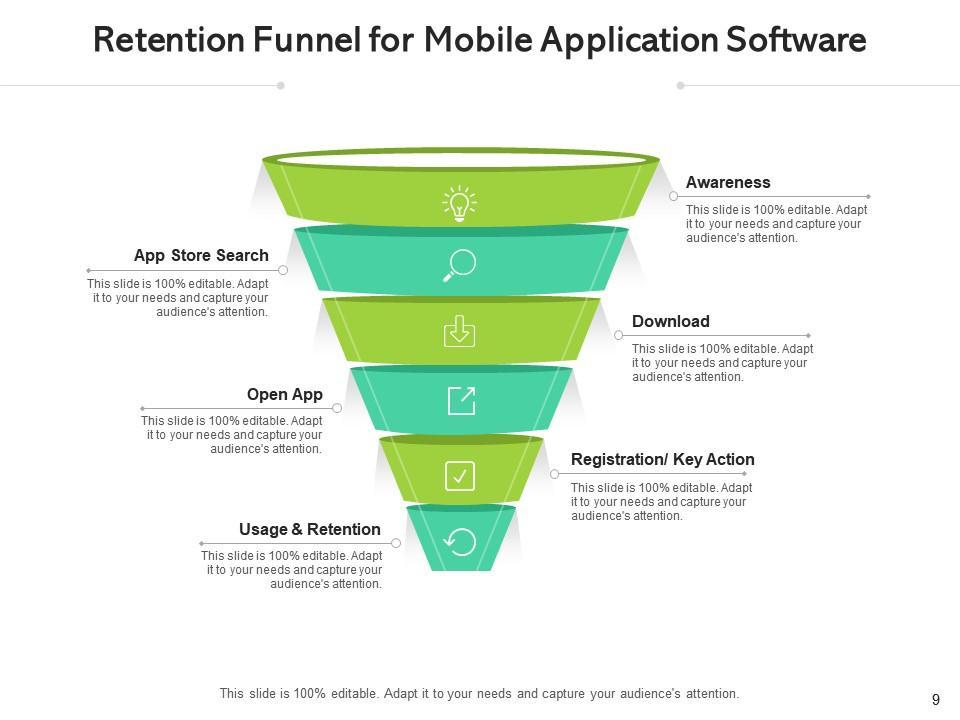
Pre-Launch Foundation: Research and Planning
Every successful app launch strategy begins months before the first user sees your product. This phase separates winners from the 95% that disappear into obscurity.
Market Research and Competitive Intelligence
Start by identifying your true competitors. These aren't just apps with similar features, but solutions addressing the same user problems. For a meditation app, competitors might include Calm, Headspace, sleep podcasts, and even YouTube wellness channels.
Analyze competitor app store listings, user reviews, pricing models, and marketing messages. Look for gaps in their offerings. Calm dominates guided meditation but struggles with personalization. Headspace excels at beginner content but lacks advanced techniques. These gaps become your positioning opportunities.
Study successful launches in adjacent categories. When Duolingo launched new language courses, they combined app store optimization with strategic partnerships with cultural organizations, generating authentic buzz while building credibility.

Defining Your Launch Goals and Metrics
Vague goals produce mediocre results. Instead of "get lots of downloads," set specific targets:
- 25,000 downloads in month one
- 4.2+ star rating with 1,000+ reviews
- 20% day-1, 8% day-7 retention rates
- $15,000 monthly recurring revenue by month three
These metrics cascade into tactical decisions. A download goal influences your paid acquisition budget. Retention targets shape your onboarding flow. Revenue goals determine your pricing and monetization timing.
Technical Preparation and Beta Testing
Your app's technical foundation directly impacts launch success. According to Google's developer guidelines, apps with crash rates above 2% rarely achieve featured placement or sustained growth.
Beta testing isn't just about finding bugs. It's about validating your core value proposition with real users. Recruit 500+ beta testers from your target demographic. Track their behavior, not just their feedback. Which features do they use most? Where do they drop off? What actions correlate with long-term engagement?
TestFlight and Google Play Console's internal testing tracks provide structured feedback collection. But don't rely solely on these platforms. Create dedicated Slack channels or Discord servers where power users can provide detailed insights.
App Store Optimization: Your Launch Launchpad
App Store Optimization forms the foundation of any effective app launch strategy. Your app store listing is often the first impression potential users have of your product, making optimization critical for conversion. For a deeper breakdown, see app store optimization services guide.
Keyword Research and Title Optimization
Start with comprehensive keyword research using tools like App Store Connect's Search Ads or Google Play Console's keyword insights. Identify high-volume, moderate-competition keywords that align with your app's core functionality.
Your app title carries the most SEO weight, but balance optimization with clarity. "Meditation Studio: Sleep & Relax" works better than "Daily Meditation Mindfulness Sleep Relaxation App" because users understand the value proposition immediately.
Include your primary keyword naturally in the title, but don't stuff multiple keywords. Apple's algorithm has become sophisticated at detecting and penalizing over-optimization. Focus on one strong keyword phrase that accurately describes your app's primary benefit.
Visual Assets That Convert
Your app icon appears in search results, category browsings, and recommendation algorithms. Design it to stand out in a crowded grid while clearly communicating your app's purpose. Test multiple variations with target users before finalizing.
Screenshots tell your app's story in seconds. Most users scan the first three images before deciding whether to read your description. Use these prime real estate spots to highlight your key value propositions:
- Primary benefit or problem solved
- Core features or user interface
- Social proof or user testimonials
Avoid cluttered screenshots with excessive text overlays. Instead, show your app in action with minimal, benefit-focused copy that supplements rather than overwhelms the visual.
App preview videos significantly impact conversion rates, especially for games and productivity apps. Keep videos under 30 seconds, start with your strongest hook, and demonstrate actual app usage rather than marketing fluff.
Optimizing Descriptions for Discovery and Conversion
Your app description serves dual purposes: app store algorithm optimization and user conversion. The first 250 characters appear in search results and significantly impact rankings.
Open with a clear value proposition that incorporates your primary keyword naturally. "Transform your daily routine with personalized meditation sessions designed for busy professionals" works better than "The best meditation app with thousands of sessions."
Structure your description for scanability:
- Open with core benefitsInclude 3-5 key features with brief explanations
- Add social proof (user counts, awards, press mentions)
- End with a clear call-to-action
Use relevant keywords throughout, but prioritize readability over keyword density. App store algorithms increasingly favor descriptions that drive actual downloads and engagement over those optimized purely for search visibility.

User Acquisition: Building Your Launch Audience
Successful app launches don't depend on hope and viral magic. They require systematic user acquisition across multiple channels, each contributing to overall momentum.
Organic Marketing Channels
Content marketing remains one of the most cost-effective user acquisition channels when executed strategically. Create valuable content that addresses your target users' problems, positioning your app as the natural solution.
For B2B productivity apps, publish actionable guides on platforms like LinkedIn and Medium. A project management app might create "The Complete Guide to Remote Team Coordination" featuring their tool as one solution among many. This approach builds trust while generating qualified traffic. For a deeper breakdown, see AI visibility for apps guide.
Social media requires platform-specific strategies. TikTok rewards authentic, educational content that subtly showcases app benefits. Instagram favors visually compelling posts that highlight user success stories. Twitter works well for engaging in industry conversations and sharing quick tips.
Email marketing often gets overlooked in app marketing, but it's incredibly effective for nurturing users through the consideration phase. Build an email list months before launch by offering valuable lead magnets like templates, guides, or exclusive preview access.
Paid Acquisition Strategy
Paid user acquisition amplifies organic efforts and provides predictable growth at scale. Start with small budgets to test channel effectiveness before committing significant resources.
Apple Search Ads offer the highest intent traffic since users are actively searching for apps. Begin with exact match keywords for your app name and core functionality. Gradually expand to broader terms as you identify high-converting keywords.
Google Ads App campaigns use machine learning to optimize across Search, Display, YouTube, and Discover networks. These campaigns require patient optimization since algorithms need 2-3 weeks to gather sufficient conversion data.
Facebook and Instagram ads excel at reaching users earlier in the consideration funnel. Create video ads showcasing your app in action rather than static images promoting features. User-generated content and testimonials typically outperform branded creative.
Influencer and Partnership Marketing
Influencer partnerships extend your reach into established communities where trust already exists. Micro-influencers (10K-100K followers) often deliver better ROI than macro-influencers due to higher engagement rates and lower costs.
Focus on relevance over reach. A fitness app benefits more from partnerships with 10 yoga instructors (5K followers each) than one generic lifestyle influencer with 500K followers. Niche audiences convert better and provide more authentic endorsements.
Structure partnerships around value exchange rather than just payment. Offer influencers exclusive features, early access, or co-creation opportunities. These relationships feel more authentic and often result in ongoing promotion beyond the initial campaign.
Strategic partnerships with complementary brands can accelerate user acquisition while reducing costs. A meal planning app might partner with grocery delivery services, fitness trackers, or kitchen equipment brands to cross-promote to relevant audiences.
Launch Execution: Coordinating Your Go-to-Market
The actual launch phase requires precise coordination across all marketing channels to create maximum impact and momentum. This orchestrated approach distinguishes successful launches from scattered efforts that fail to gain traction.
Pre-Launch Buzz Building
Begin generating anticipation 4-6 weeks before your official launch date. Create a landing page that captures email addresses in exchange for early access or exclusive launch bonuses. This list becomes your launch day activation army.
Reach out to tech journalists, bloggers, and industry publications during this period. Pitch unique angles about your app's story, founding team, or innovative features. TechCrunch's app coverage data shows that apps mentioned in major publications see 300% higher download rates in their first month compared to those without press coverage.
Product Hunt preparation requires strategic timing and community engagement. Schedule your launch for Tuesday-Thursday when engagement peaks. Spend weeks before your launch date supporting other makers' products to build relationships within the community. For a deeper breakdown, see app launch strategy guide.
Beta user communication plays a crucial role during this phase. Send regular updates to your testing community, highlighting improvements based on their feedback. These users often become your most vocal advocates during launch week.
Launch Day Coordination
Execute your launch day with military precision. Create a detailed timeline starting at midnight in your primary market's timezone. Coordinate social media posts, email campaigns, PR outreach, and paid advertising to create sustained momentum throughout the day.
Morning activities should focus on owned channels. Send launch announcements to your email list, post across all social platforms, and notify your beta community. These early activities provide initial download velocity that app store algorithms notice.
Afternoon efforts should amplify reach through partnerships and PR. Influencers should post their content during peak engagement hours for their audiences. Press releases go live, and journalists begin publishing their coverage.
Evening activities sustain momentum as different time zones become active. International users see your content, and late-day social media engagement peaks in many demographics.
Monitor performance metrics hourly throughout launch day. App store rankings update frequently, and early momentum directly impacts long-term visibility. Be prepared to adjust ad spend or promotion intensity based on real-time results.
Sustaining Momentum Post-Launch
The first 30 days after launch determine long-term success more than launch day itself. Maintain high engagement levels through consistent content creation, user support, and feature updates.
User feedback during this period provides invaluable insights for rapid iteration. Respond personally to app store reviews, especially negative ones. Public responses demonstrate commitment to user satisfaction and often convince hesitant prospects to download.
"Our team learned that initial user feedback is gold," notes Teegan Johnson, Strategic Growth Lead at Strataigize. "Apps that implement user-requested features within 30 days of launch see 40% higher retention rates than those that wait months for updates."
Continue publishing content that showcases user success stories and advanced app features. Many users only discover your app's full potential weeks after initial download, making ongoing education crucial for retention and word-of-mouth growth.
Measuring and Optimizing Launch Performance
Data-driven optimization separates successful app launches from expensive experiments. Establish measurement frameworks before launch day to track performance against your goals and identify optimization opportunities.
Essential Launch Metrics
Download velocity during your first week indicates market reception and algorithm favorability. Apps achieving 1,000+ downloads daily typically maintain growth momentum, while those below 500 daily downloads often require significant strategy adjustments.
User acquisition cost (CAC) by channel reveals which marketing investments drive sustainable growth. Calculate fully-loaded CAC including creative production, campaign management, and tool costs. Channels with CAC below 30% of user lifetime value (LTV) typically scale profitably. For a deeper breakdown, see mobile app user acquisition guide.
Retention rates provide the clearest picture of product-market fit. Day-1 retention above 25%, day-7 above 15%, and day-30 above 8% indicate strong user engagement. Apps below these benchmarks should prioritize onboarding and core feature improvements over continued user acquisition.
App store conversion rates from impression to download typically range from 0.5-3% depending on category and competition. Low conversion rates suggest ASO improvements, while high conversion with low organic impressions indicates keyword optimization needs.

A/B Testing Your Launch Elements
Continuous testing improves launch performance and provides insights for future campaigns. Test app store creative elements first since these changes impact all traffic sources simultaneously.
Screenshot variations can dramatically impact conversion rates. Test different value propositions, visual styles, and social proof elements. Run tests for minimum 7-14 days to account for weekly usage patterns and gather statistically significant data.
Ad creative testing requires larger sample sizes due to additional variables like audience targeting and placement. Test one element at a time: headline, image, video, or call-to-action. Winning creative elements often work across multiple channels with minor adaptations.
Onboarding flow optimization directly impacts retention metrics. Test tutorial length, permission requests timing, and initial user actions. Small improvements in early user experience compound into significant lifetime value increases.
Iterative Improvements Based on Data
Weekly performance reviews should examine both quantitative metrics and qualitative user feedback. Look for patterns in app store reviews, support tickets, and social media mentions that indicate common user pain points.
Feature usage analytics reveal which app functions drive engagement and retention. Double down on highly-used features while considering removal or redesign of ignored functionality. Complexity often kills user adoption, especially during the critical first-use experience.
Geographic and demographic performance variations provide expansion opportunities. If certain user segments show significantly higher engagement or monetization, adjust targeting and messaging to attract similar audiences.
Competitive intelligence during post-launch period helps identify new opportunities and threats. Monitor competitor app updates, marketing campaigns, and user feedback to spot market shifts before they impact your growth trajectory.
Advanced Launch Tactics for Competitive Markets
When entering saturated app categories, standard launch approaches often fall short. Advanced tactics help differentiate your app and capture attention in crowded markets.
Category-Specific Launch Strategies
Gaming apps require different launch approaches than productivity tools or e-commerce applications. Games benefit from influencer partnerships with streamers and content creators who can demonstrate gameplay to engaged audiences.
Productivity apps perform better with email marketing to professional audiences and partnerships with industry publications. B2B tools need longer nurturing cycles but often achieve higher lifetime values and lower churn rates.
E-commerce and marketplace apps depend heavily on supply-side adoption before launching to consumers. Build merchant or service provider networks first, then launch consumer marketing campaigns that highlight selection and availability. For execution support, consider mobile app marketing services.
International and Localized Launches
Global app launches require careful market prioritization and localization strategies. Start with English-speaking markets that share similar user behavior patterns, then expand to higher-opportunity international markets.
Localization extends beyond translation to include cultural adaptation, local payment methods, and region-specific features. Apps that invest in proper localization see 2x higher adoption rates in international markets compared to direct translations.
Legal and compliance requirements vary significantly by country, especially for financial, health, and data-sensitive applications. Research requirements months before international launch to avoid costly delays or forced feature modifications.
Platform-Specific Considerations
iOS and Android users exhibit different behavior patterns that impact launch strategy effectiveness. iOS users typically have higher disposable income and app spending rates, making premium pricing models more viable.
Android's global market share requires different geographic and demographic targeting approaches. Google Play's algorithm weights user engagement and retention more heavily than raw download numbers, favoring apps with strong core experiences over marketing-heavy approaches.
Cross-platform launch timing can create momentum advantages. Some apps benefit from iOS-first launches to build premium positioning before expanding to Android. Others succeed with simultaneous launches that maximize initial publicity impact.
Common Launch Mistakes and How to Avoid Them
App launch failures follow predictable patterns that smart founders can anticipate and avoid. Learning from others' mistakes accelerates your path to success while conserving resources for high-impact activities.
Technical and Product Mistakes
Launching with critical bugs or performance issues destroys credibility and user trust. Apps with crash rates above 2% rarely recover from poor initial reviews, regardless of marketing spend or feature improvements.
Overcomplicating the initial user experience kills adoption before users discover core value. New users should accomplish a meaningful task within 60 seconds of app launch. Complex onboarding processes can wait until after users experience initial value.
Ignoring app store guidelines results in delayed approvals or complete rejections during critical launch windows. Review platform policies thoroughly and test edge cases with beta versions before submitting final builds.
Marketing and Positioning Errors
Generic positioning against established competitors rarely succeeds. "Better than [competitor]" messages require expensive marketing spend to overcome user inertia and switching costs. Focus on unique value propositions that existing solutions don't address.
Premature scaling of paid acquisition before optimizing conversion funnels wastes budget and generates poor-quality users. Perfect your organic conversion process and retention mechanisms before investing heavily in paid channels.
Neglecting customer support during launch periods creates negative feedback loops that compound quickly. Plan for 3-5x normal support volume during your first month and prepare detailed FAQs addressing common user questions.
Timing and Resource Management Issues
Launching without sufficient marketing budget or team capacity leads to underwhelming results that are difficult to recover from. App stores reward early momentum, making resource preparation crucial for long-term success. For a deeper breakdown, see mobile app marketing agency guide.
Poor launch timing can significantly impact results. Avoid major holidays, competing product launches, or industry events that might overshadow your announcement. Research your target audience's seasonal patterns and attention cycles.
Setting unrealistic expectations based on outlier success stories leads to premature strategy changes and resource misallocation. Most successful apps require 3-6 months to achieve significant traction, even with excellent launches.
According to Ian McGavin, CEO at Strataigize, "The biggest mistake we see is founders expecting viral growth from day one. Sustainable app growth is built through consistent execution across multiple channels, not single breakthrough moments."

FAQ
How much should I budget for an app launch campaign?
App launch budgets vary significantly based on market competition and growth goals, but successful launches typically allocate $50,000-$200,000 for comprehensive campaigns. This budget should cover paid advertising ($20,000-$80,000), PR and influencer partnerships ($10,000-$40,000), app store optimization tools and creative development ($5,000-$15,000), and team resources for coordination and content creation. B2B apps often require smaller budgets focused on targeted channels, while consumer apps need broader reach across multiple platforms. Start with smaller test budgets to validate channel effectiveness before scaling investment.
What's the ideal timeline for planning an app launch?
Plan your app launch campaign 3-4 months before your target launch date to allow sufficient time for each phase. Month one should focus on market research, competitive analysis, and initial ASO preparation. Month two involves content creation, influencer outreach, PR relationship building, and beta testing coordination. Month three includes final creative development, press kit preparation, and launch day timeline creation. The final month before launch should handle last-minute optimizations, team coordination, and asset preparation. Rushing this timeline typically results in missed opportunities and suboptimal performance.
Should I launch on iOS and Android simultaneously?
Simultaneous iOS and Android launches maximize publicity impact and user acquisition efficiency, but sequential launches often perform better for resource-constrained teams. iOS-first launches work well for premium apps targeting higher-income demographics, allowing you to perfect your product and positioning before expanding to Android's larger, more diverse user base. Android-first launches make sense for apps targeting international markets or price-sensitive users. Consider your team's capacity to manage multiple platforms, marketing budget allocation, and target audience preferences when making this decision.
How do I get featured in app stores?
App store featuring requires exceptional user experience, strong launch momentum, and strategic relationship building with platform editorial teams. Focus on creating genuinely innovative features or addressing underserved user needs that align with platform priorities. Maintain crash rates below 1%, achieve 4.5+ star ratings, and demonstrate strong user engagement metrics. Submit detailed feature requests through official channels, highlighting your app's unique value proposition and potential user impact. Build relationships with platform representatives at developer conferences and through official communication channels. Featured placement often follows sustained excellence rather than one-time achievements.
What retention rates indicate a successful app launch?
Successful app launches typically achieve day-1 retention rates above 25%, day-7 retention above 15%, and day-30 retention above 8%, though these benchmarks vary by app category. Gaming apps often see higher initial retention but steeper drop-offs, while productivity apps may have lower day-1 retention but better long-term engagement. Social and communication apps require higher retention rates for viable business models, often needing day-30 retention above 15%. Focus on improving retention before scaling user acquisition, as high-retention apps achieve better organic growth and more efficient paid acquisition over time.
How long does it take to see meaningful results from an app launch?
Most successful app launches see initial traction within the first 30 days, but meaningful business results typically require 3-6 months of sustained effort. Download velocity and app store rankings become apparent within the first week, while user retention patterns and monetization metrics require 4-8 weeks to stabilize. Organic growth momentum often builds slowly, with many successful apps seeing their biggest growth spurts 6-12 months after launch as word-of-mouth effects compound. Avoid making major strategy changes during the first 90 days unless critical issues emerge, as app marketing campaigns require time to optimize and reach their full potential.
Ready to Launch Your App Successfully?
Executing a comprehensive app launch strategy requires coordinating multiple complex elements while maintaining focus on user experience and sustainable growth. The most successful launches combine thorough preparation with agile execution, using data to optimize performance throughout the process.
The three most critical elements for launch success are: thorough market research and competitive positioning that identifies genuine user needs, coordinated marketing campaigns that create momentum across multiple channels simultaneously, and continuous optimization based on user feedback and performance data during the first 90 days.
Strataigize has helped app founders and SaaS brands across Canada, the US, and Australia drive measurable growth through data-driven mobile marketing, ASO, and paid acquisition strategies. Our team combines strategic planning with hands-on execution to ensure your app launch generates sustainable momentum and long-term success.
Ready to accelerate your app's growth? View our case studies to see how we've helped similar companies achieve their goals, or book a free strategy call to discuss your specific launch objectives and challenges. For a deeper breakdown, see how to market an app guide.